Gallery
Photos from events, contest for the best costume, videos from master classes.
 |  |
 |  |
 |  |
 |  |
.png?itok=4hfPYC-8 "not wearing green on st patricks day") |  |
 |  |
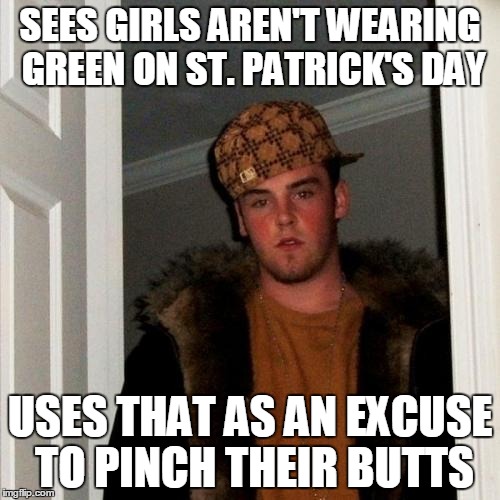
St. Patrick's Day, celebrated on March 17th, is known for its vibrant festivities, parades, and a whole lot of green. Traditionally, wearing green is viewed From Shamrock Shakes to green bagels and even green beer, food manufacturers in the U.S. take every opportunity to turn Saint Patrick’s Day into a neon-green extravaganza [LINK 7]. One of the most famous examples is McDonald’s Shamrock Shake, introduced in 1970 as a limited-time mint-flavored treat. As many people find green to wear today and head to a local pub for a green beer, the meaning behind St. Patrick’s Day goes beyond color and pinching. Here are some facts to know about the Irish Wearing green on St. Patrick's Day (supposedly!) makes you invisible to the leprechauns, so we’re sure you can gather what happens if you don’t wear green on March 17. The Origins of St. Patrick’s Day. First, to understand the specific tradition of wearing green, we must appreciate the roots of St. Patrick’s Day itself. Originally, St. Patrick’s Day was a religious observance in the 17th century for Catholics in Ireland, marking the death of St. Patrick, who is credited with bringing Christianity to By the 1930s, the custom of wearing green on St. Patrick’s Day had become so widespread that even President Franklin D. Roosevelt, who was of Dutch ancestry, joined in.An article published on FAQs About St. Patrick’s Day Style 1. Do I have to wear green on St. Patrick’s Day? Not technically, but if you don’t, you might get pinched! The tradition comes from Irish folklore that says wearing green makes you invisible to mischievous leprechauns. Whether you believe it or not, adding a little green is a fun way to get in the spirit. 2. While most St. Patrick’s Day enthusiasts bust out their green clothing on March 17, there are some who would rather wear orange. The reason has everything to do with religion. As many people find green to wear today and head to a local pub for a green beer, the meaning behind St. Patrick’s Day goes beyond color and pinching. Not wearing green on St. Patrick’s Day comes with a warning – you may get pinched! Now, this is an old St. Patrick’s Day tradition and one that you don’t see practised that often. Don’t be surprised if you’ve never heard of it, as it seems to be a ‘tradition’ cooked up in America. Why Do People Wear Green on St. Patrick's Day? Green has become the defining color of St. Patrick's Day, but this was not always the case. Blue was originally associated with St. Patrick. It was Wearing orange on St. Patrick’s Day, even if unintentional, could be interpreted as a sign of support for Protestant unionism, potentially causing offense or misinterpretations. It’s a subtle point, but awareness of this history is crucial for navigating St. Patrick’s Day celebrations respectfully. (WHTM) — Wearing green is one of the most important aspects of Irish culture and celebrating St. Patrick’s Day, but not everyone knows why people wear green when celebrating the holiday worldwide. According to TIME Magazine, green was not always the color associated with Ireland. In fact, blue was the color associated with the country [] However, green is now the more typical hue, thanks to Irish immigrants who came to America and celebrated St. Patrick's Day and their heritage by wearing this symbolic color. Today, many wear this color to honor their roots, for good luck (green is the color of the lucky shamrock, after all), and, of course, to stay safe from getting pinched. In the United States, green is a central element of the festivities. This is perhaps most famously seen in Chicago, where the Chicago River is dyed green for the occasion. On a more personal level, tradition holds that failing to wear green on St. Patrick’s Day may subject you to a playful pinch. You don't have to be Irish to celebrate St. Patrick's Day, and traffic accidents don't discriminate based on nationality. Each year, the green beer often flows too freely for revelers, making it a dangerous time to drive: According to the National Highway Traffic Safety Administration, 276 people died in drunken driving crashes over St. Patrick's Day weekends from 2009 to 2013. The tradition of pinching on St. Patrick's Day originated from folklore surrounding leprechauns and the importance of wearing green. It was believed that leprechauns would pinch those not wearing As mentioned, representations of leprechauns — especially the playful leprechauns of American popular culture — are part of St. Patrick's Day more so than even in Ireland, and the pinching tradition for people not wearing green is also an entirely American creation. Pinching on St. Patrick's Day dates to at least the early 18th century. St. Patrick’s Day usually conjures images of partying, Catholicism, Irish nationalism and, perhaps most famously, the color green: green clothes, green shamrocks, green beer and green rivers. (WHTM) — Wearing green is one of the most important aspects of Irish culture and celebrating St. Patrick’s Day, but not everyone knows why people wear green when celebrating the holiday worldwide.
Articles and news, personal stories, interviews with experts.
Photos from events, contest for the best costume, videos from master classes.
| |
| |
| |
| |
| |
| |